Carnival, cold & Kölsch: Why your bladder is acting up now
MyPelvi explains what happens in the body when cold and alcohol meet the bladder and pelvic floor during celebrations.
Katharina Heilen · 22 January 2026
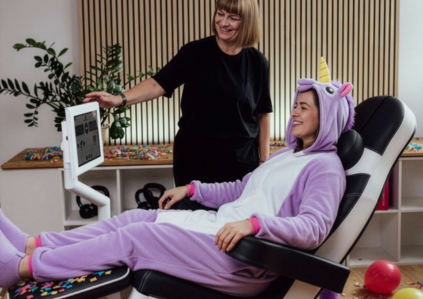
Carnival is a high-performance sport, and that applies to everyone involved. For your voice, your feet and, yes, your bladder too. Standing outside for hours, freezing in costume, one drink here, another there, barely any breaks and a daily routine that has briefly disappeared. You have barely been to the toilet when that familiar feeling returns: “Hang on … again already?”
A twinge here, some pressure there, that vague feeling of “I need to go, but didn't I only just go?” Don't worry: your bladder is not playing tricks on you; it is simply reacting to the Carnival combination of cold, alcohol and altered drinking habits. What many people underestimate is that the pelvic floor is joining in the celebrations and has a major influence on how your bladder feels at that moment. MyPelvi explains what happens in the body when cold and alcohol meet the bladder and pelvic floor during Carnival celebrations.
Why cold can increase the urge to urinate
The increased urge to urinate when it's cold is no coincidence and does not necessarily indicate that 'something is wrong.' It usually represents a normal bodily reaction to low temperatures, where several regulatory mechanisms are activated simultaneously. The reasons:
Increase in pressure within the body
Due to cold, blood vessels in the skin and extremities constrict to retain warmth inside the body. This causes more blood to be directed towards the core of the body, leading to a slight increase in blood pressure. The kidneys respond to this increased pressure by filtering more fluid from the blood. As a result, more urine is produced without additional fluid intake.
Stimulus processing in the brain
Cold lowers the stimulus threshold of the nerves responsible for the sensation of bladder fullness. The brain interprets these signals as urgent more quickly, even if the bladder is objectively not yet full. This makes the urge to urinate feel sudden and intense.
Blood flow in the pelvic floor
Cold often causes the muscles to tense unconsciously, especially in the abdominal and pelvic regions. The pelvic floor tenses reflexively to protect the lower abdomen. This increased baseline tension can disrupt the interaction between the bladder and pelvic floor and contribute to a feeling of pressure or urgency.
Targeted pelvic floor training, such as with the MyPelvi pelvic floor chair, addresses precisely this regulation and activates the conscious interaction between tensing and relaxing:
Ready to begin?Book a no-obligation MyPelvi trial session now
Typical symptoms of a “chilled” bladder
Many people come across the expression “chilled bladder”, especially in winter or after long days outdoors. Although it is not a separate medical diagnosis, it describes quite well what these symptoms feel like. It usually refers to temporary bladder reactions that can occur after exposure to cold, draughts or extended periods in low temperatures.
Many people affected simply notice that something feels different in the lower abdomen. The bladder suddenly feels more noticeable than usual, even though there are no typical signs of inflammation. Common descriptions include:
a frequent urge to urinate, even when the bladder is not yet properly full a sudden “right now” sensation with little warning pressure or tension in the lower abdomen a mild burning or unpleasant sensation when urinating, without severe pain the feeling of being unable to empty the bladder completely a generally greater awareness of the bladder, even at rest
A typical feature of this kind of discomfort is that it usually settles down again once warmth, movement or relaxation is introduced. It often occurs in specific situations, such as after standing in the cold for a long time or having persistently cold feet, and generally disappears on its own after a short time.
Irritable bladder and cold: is there a connection?
Cold weather does not affect the bladder directly. However, it makes existing symptoms more noticeable sooner. Especially at Carnival and during the colder months, people with a sensitive bladder or a tendency towards frequent urinary urgency often notice clearly that their bladder reacts more sensitively than usual.
Anyone who has already been diagnosed with an overactive bladder will be particularly familiar with this phenomenon. Cold acts as an amplifier here: symptoms that may be well controlled in everyday life become more noticeable during cold spells. The urge to urinate comes on more quickly, feels more intense and is often harder to “ignore” than at higher temperatures.
Can cold weather cause cystitis?
The short answer: Cold alone does not cause cystitis. Cystitis is generally caused by bacteria that enter the bladder through the urethra and multiply there. Cold is therefore not a trigger, but it can be a contributing factor, particularly when several factors come together, such as altered circulation or damp or cold clothing around the pelvis.
And cold drinks?
Cold drinks do not cause bladder infections either. However, very cold drinks can temporarily irritate the bladder and increase urinary urgency, particularly in combination with low outdoor temperatures and alcohol. Persistent or typical symptoms of inflammation should be assessed by a medical professional.
How Kölsch and similar drinks can irritate the bladder
Alcohol affects the bladder on several levels at once. This combined effect explains why bladder issues often show up faster and more intensely on a night out than they do in everyday life.
Alcohol changes your fluid balance
It inhibits the release of a hormone that normally causes the body to retain water. As a result, the kidneys excrete more fluid and the bladder fills more quickly and frequently. This effect occurs even with moderate amounts and is independent of personal drinking habits.
Urine becomes more concentrated
As a result of the diuretic effect, the body loses fluid overall. The urine therefore contains a higher concentration of dissolved substances, which can irritate the bladder lining. This irritation is often perceived as burning, a sensation of pressure or a constant urge to urinate, without any inflammation being present.
Signal processing between the bladder and brain changes
Alcohol affects the central nervous system, which can make it harder to accurately sense when the bladder is full. Some people feel the urge to urinate very suddenly and intensely, while others notice it only late. Both put extra stress on the bladder and make calm regulation more difficult.
The pelvic floor reacts to alcohol
Alcohol can alter muscle tension and disrupt the coordination between holding and releasing. Combined with cold temperatures, standing for long periods, or dancing, this can leave the pelvic floor unable to respond flexibly to what's needed — which directly affects how the bladder feels.
A functional pelvic floor can help cushion these strains more effectively. Targeted training, such as with the MyPelvi pelvic floor training chair, addresses muscular and neural control and supports regulation of the bladder and pelvic floor:
Ready to begin?Book a no-obligation MyPelvi trial session now
Important: If symptoms occur independently of such situations or on a regular basis, it is essential to have them assessed by a medical professional.
SOS tips for a strong bladder during Carnival
If your bladder suddenly demands constant attention, you can help your body return to a more balanced state.
Heat has a regulating effect
Keeping the lower abdomen warm improves circulation in the pelvic area and reduces protective muscle tension. This affects not only the superficial muscles, but also the pelvic floor, which is closely linked to bladder function. Even small adjustments, such as wearing additional layers of clothing or avoiding draughts, can bring noticeable relief.
Movement Supports Bladder Regulation
Standing in the cold for long periods often causes unconscious, persistent tension. Short periods of walking promote venous return, improve circulation and help the nervous system switch between tension and relaxation.
Managing the urge to urinate
Strong, reflexive contraction of the pelvic floor can increase pressure in the pelvis and even intensify the sensation of urgency. Calm breathing, consciously releasing tension in the lower abdomen and maintaining an upright posture help the body reassess the signal. In many cases, this causes the urge to urinate to subside within a short time.
Consistent, mindful drinking habits
Very cold drinks, alcohol and large volumes of fluid can additionally irritate the bladder lining and increase urine production. The bladder generally processes a steady intake of fluids at a moderate temperature more effectively.
Conclusion: Carnival is an exceptional situation for your bladder too
Carnival brings together many things that are demanding on the body while also being fun: low temperatures, long days, short nights, a lively atmosphere and the occasional drink. It is understandable that the bladder may make itself felt more often or react more sensitively during this cheerful break from everyday life.
Warmth, movement, short breaks and a mindful approach to alcohol help the body stay balanced. A pelvic floor that is not permanently tense but responds flexibly is especially important. This is precisely where targeted pelvic floor training (e.g. on the MyPelvi pelvic floor chair) comes in: it supports the balance between tension and relaxation and may help the bladder and pelvic floor feel calmer in lively situations in the long term. This allows carnival to be what it should be: carefree, cheerful and full of energy. MyPelvi wishes you a wonderful carnival season.
Ready for your trial session?
Learn the right technique with guidance — free of charge at your MyPelvi studio.